

About Shatara Kids
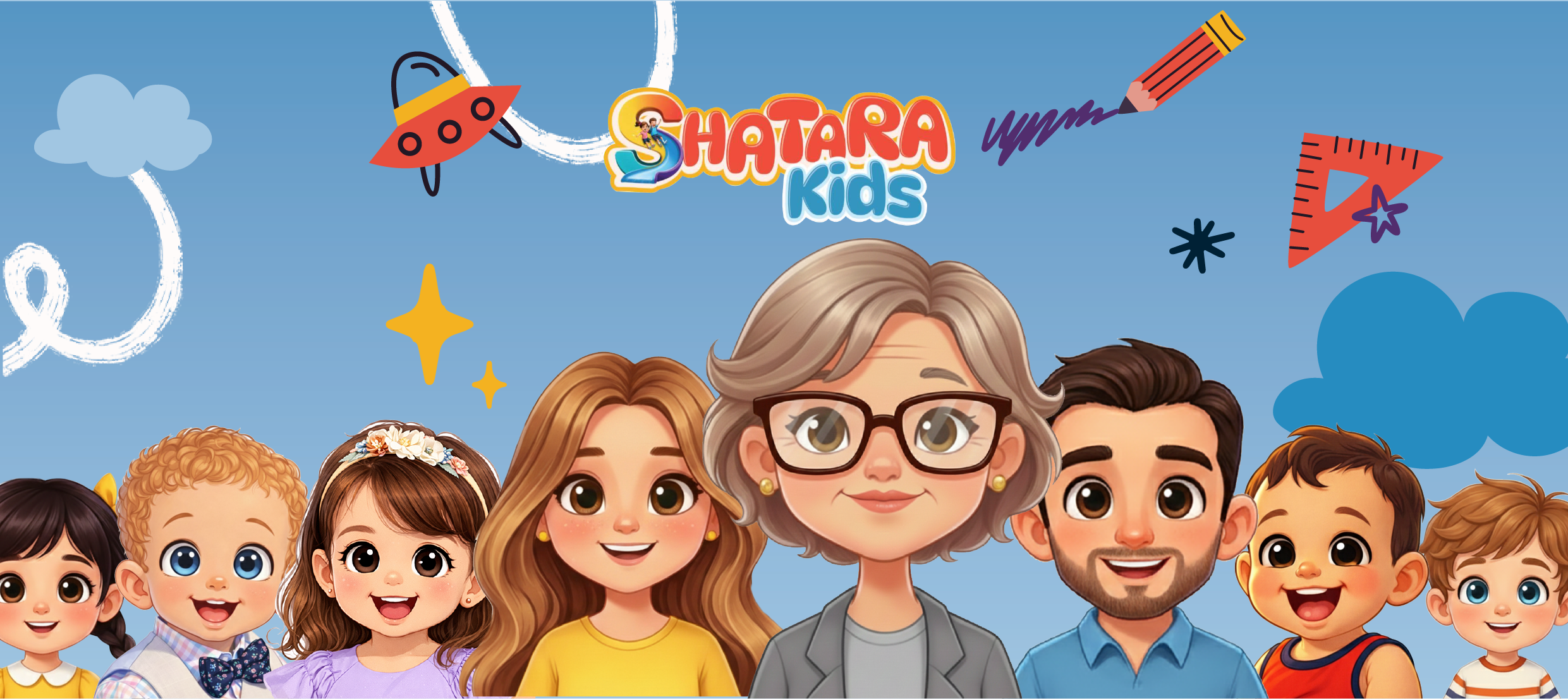
A family-built program helping kids ages 4–7 learn spoken Egyptian Arabic (Masri) through songs, stories, and play.
About
Shatara
Kids
A family-built program helping kids ages 2–7 learn spoken Egyptian Arabic (Masri) through songs, stories, and play.
Shatara Kids is designed for Arab immigrant families
Our Focus is Simple:
help kids ages 2–7 understand and speak Egyptian Arabic in real life—at home, with family, and in everyday routines.
We Keep it:
- Kid-friendly (short attention spans)
- Confidence-first (no pressure, no shame)
- Practical (spoken Masri for everyday conversation)

Dad
Father represents the parent perspective: busy schedules, real-life routines, and the desire to build Arabic without turning it into a daily fight.
Mom
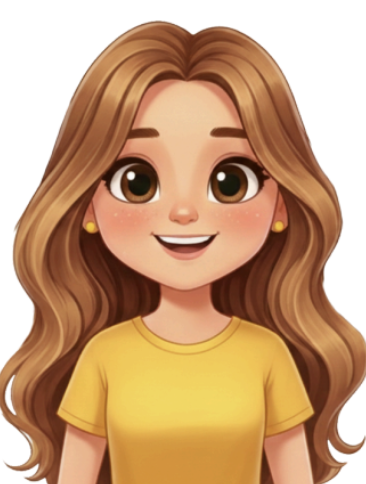
Mom represents the heart of the home—she turns everyday moments into simple Arabic practice, even when life is busy.
Grandma
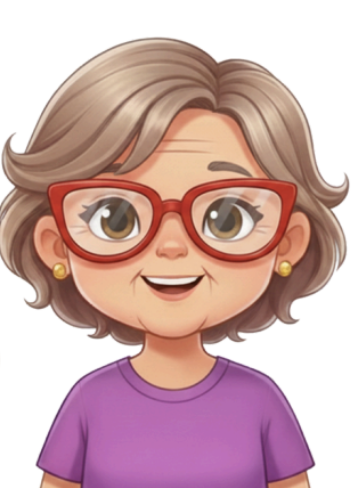
Grandma brings the warmth—bedtime stories, gentle values, and real-life Egyptian Arabic (Masri) kids can actually use.
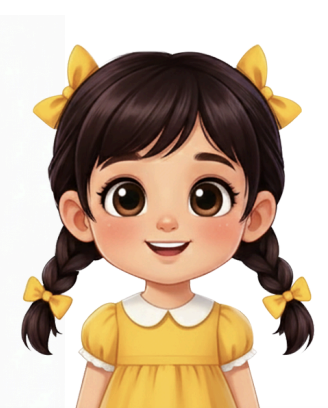
Yara
Yara represents the early speaker—she enjoys role-play, routines, and using short phrases in daily life.
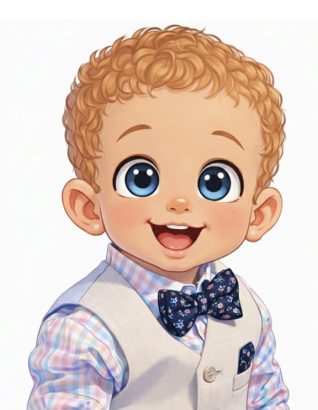
Noor
Noor represents the youngest learner—short attention span, big curiosity, and the stage where language grows fastest through songs, repetition, and simple daily phrases.
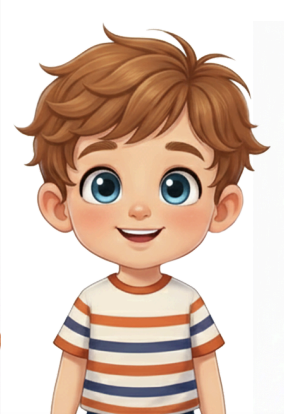
Yassin
Yassin represents the thoughtful kid who listens first, then starts speaking when he feels safe.
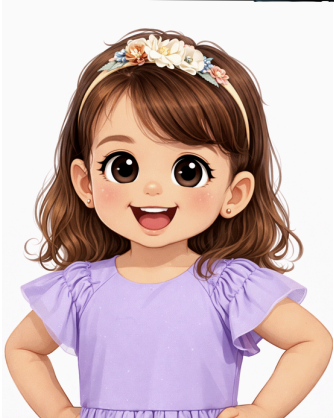
Sophia
Sophia represents the curious learner—she loves songs, stories, and repeating new words.
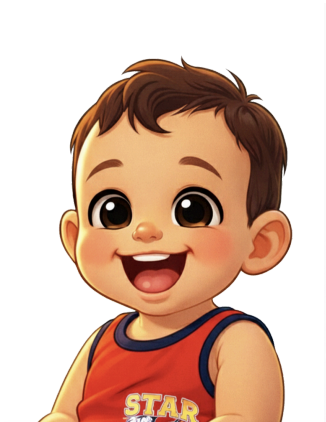
Zain
Zein represents the energetic kid who learns best through movement, games, and quick challenges.

Noor
Noor represents the youngest learner—short attention span, big curiosity, and the stage where language grows fastest through songs, repetition, and simple daily phrases.
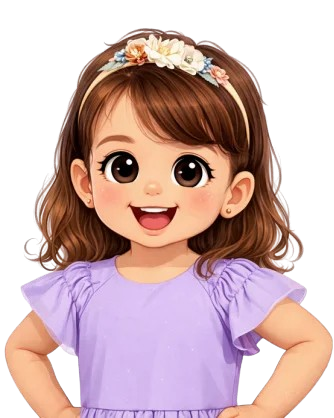
Sophia
Sophia represents the curious learner—she loves songs, stories, and repeating new words.
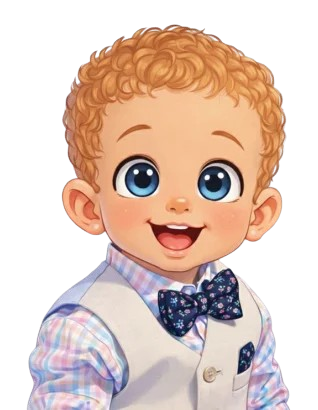
Zain
Zein represents the energetic kid who learns best through movement, games, and quick challenges.

Teta Halola
Grandma brings the warmth—bedtime stories, gentle values, and real-life Egyptian Arabic (Masri) kids can actually use.

Yara
Yara represents the early speaker—she enjoys role-play, routines, and using short phrases in daily life.

Yassin
Yassin represents the thoughtful kid who listens first, then starts speaking when he feels safe.
Brand Story
From Struggle to Solution
Like many Egyptian families living abroad, we faced a challenge: how do we help our children connect with Arabic when everything around them is in English? We watched as kids resisted learning, finding the language difficult and disconnected from their daily lives, but we believed it didn’t have to be this way.
That’s when Shatara Kids was born—out of love, determination, and a deep belief that learning Arabic could be fun. We started creating songs, stories, and characters that brought the language to life. We watched children light up as they sang along, repeated phrases, and actually enjoyed learning.
Who We Are?
We’re a passionate team of creatives, and parents on a mission to nurture
the Arabic language and culture in the hearts of young learners—no
matter where they live.
Why we teach Egyptian Arabic (Masri)
Many families try to start with Modern Standard Arabic (MSA) and quickly feel stuck—because it doesn’t match how people actually speak at home.
We focus on spoken Egyptian Arabic (Masri) because it’s:
- Practical for daily family conversation
- Widely understood across the Arab world (thanks to media)
- Easier for kids to use naturally in play and routines
Our goal is not perfect grammar. Our goal is communication.
Our teaching approach (ages 2–7)
1. Listening comes first
We build comprehension through songs and
short stories—so kids feel familiar with sounds
and patterns before they’re expected to speak.
3. Short Daily Practice
beats long weekly lessons
We design activities that fit into real life:
- Around 2 minutes of a “Song of the Week”
- 2 minutes of flashcards (5 cards only)
- 2 minutes of daily phrases during one
routine (bedtime/bath/breakfast)
2. Speaking grows
from “one-word wins”
We encourage one-word responses first (Aywa
/ La / Shokran / Mayya), then naturally expand
to short phrases.
4. Confidence-first,
pressure-free
We avoid turning Arabic into a test. Kids learn
faster when they feel safe.
What makes Shatara Kids different
- Built specifically for heritage kids in English-speaking homes
- Focused on spoken Masri for real family use
- Designed for ages 2–7 (short attention spans, play-based learning)
- Uses songs + stories + routines to create consistent exposure
What makes Shatara Kids different
Brand Promise
“We turn Arabic learning from a struggle into a
celebration—one song, one story, one smile at a time.”
Vision
“A world where every Egyptian child, no matter where
they live, grows up confident in their Arabic and proud of
their roots.”
We envision Egyptian Arabic thriving across generations
and continents, with children who can speak, read, and
celebrate their heritage with joy—not struggle.
Why Shatara Kids?
Because we believe every child is clever
(shaater/shatara) in their own way—and with the right
approach, learning Arabic becomes an adventure, not an
obstacle.
Why Shatara Kids?
Because we believe
every child is clever
(shaater/shatara) in their
own way—and with the
right approach, learning
Arabic becomes an
adventure, not an
obstacle.
Vision
A world where every Egyptian child, no matter where they live, grows up confident in their Arabic and proud of their roots.
We envision Egyptian Arabic thriving across generations and continents, with children who can speak, read, and celebrate their heritage with joy—not struggle.
Brand Promise
We turn Arabic learning from a struggle into a celebration—one song, one story, one smile at a time.
Mission
Vision
Brand Promise
Fun, short, repeatable songs and stories that fit real life—made for kids ages 2–7.
A new video every week to keep motivation high and learning consistent.
Shatara Kids is a great fit if:
- Your child mostly speaks English
- Your child understands some Arabic but answers in English
- You want Arabic to feel positive (not stressful)
- You want Arabic to fit into real family routines
If you want help choosing the right starting point for your child (ages 2–7), contact us.
Tell us:
- your child’s age
- whether they understand Arabic now
- your biggest challenge (refusal, shyness, English default)